
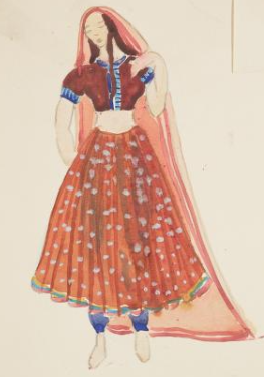
To celebrate this year’s South Asian Heritage month, the Online Library is sharing some of the most influential and inspiring works of poetry and literature to reflect the heritage and diversity of each nation of this vast and culturally rich region.
Afghanistan: The Hundred Tales of Wisdom by Idries Shah - The Idries Shah Foundation
Historically, Rumi’s teachings have been followed and studied by Jewish, Christian and Islamic clergy. However, it wasn’t until 1978, that Indries Shah successfully translated Rumi’s famous 700 year old text. Shah’s society has now generously provided his works free online, for anyone interested in studying the mysticism of Sufi spirituality.
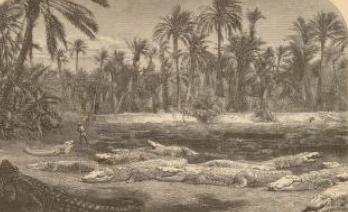
Bangladesh: Kazi Nazrul Islam, Sakti Thakur
Students interested in the rich tradition of Bengali song and poetry, can now listen to Kazi Nazrul Islam’s songs of nature, love and devotion in this celebrated compilation.
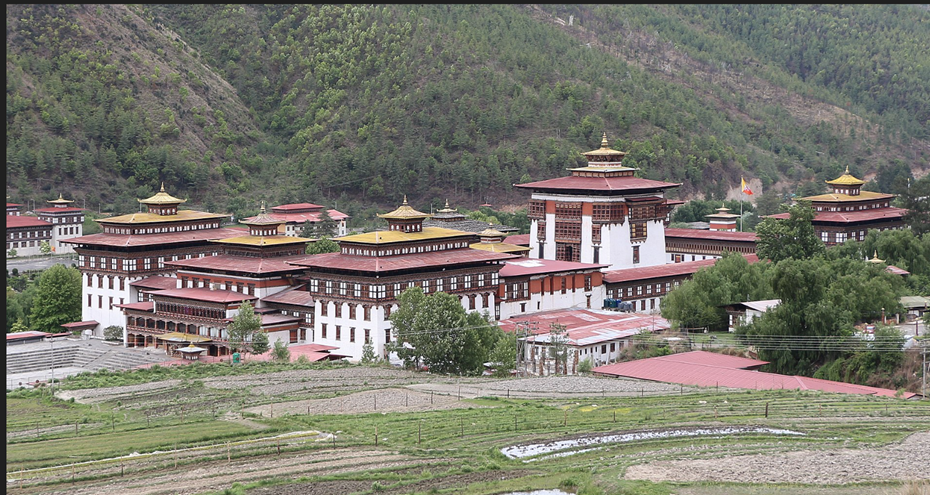
Bhutan: Kunzang Choden, Bhutanese Tales of the Yeti
The first Bhutanese woman to write a novel in English, Choden is most known work for her 2005 book, “Circle of Karma” but her second work, “Tales of the Yeti” still provides the voice of one of modern Bhutan’s influencers…written while working with the United Nations Development project. In this work, the author shares the famous legend of Bhutan.
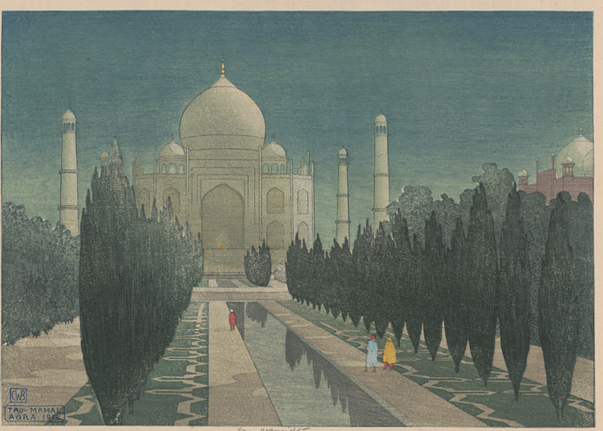
India: Salman Rushdie, the Satanic Verses
This novel has won the Man Booker prize, the Whitbread award and numerous others as a long running best seller. However, it was once banned in over 20 countries. A fascinating read for anyone interested in Magical Realism.

Maldives: Abdulla Hanan, “A Balloon by a Monk”
Abdulla Hanan is a twenty year old poet following in the grand footsteps of earlier writers of the Maldives. His work has even been compared to Hussain Salhuddin. His pieces often incorporate a sense of irreverence combined with awe for the natural beauty of his homeland.
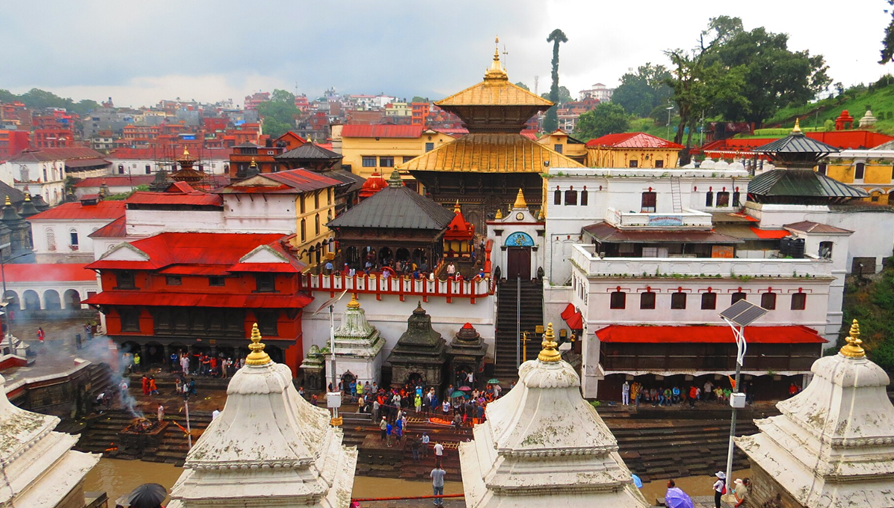
Nepal: Bishweshwar Prasad Koirala, “the Colonel’s Horse”
Penned by Nepal’s first democratically elected Prime Minister, this 1930s oeuvre into psychological fiction provides readers with a spirited journey into a new bride’s bewilderment, driving the reader through metaphor and symbolism. This book provides readers with an adventure that is synchronistically both light and deep.
Pakistan Khwaja Ghulam Farid, Kafi 136
This Kafi, like all of Farid’s floral poetry is poignantly full of longing and unrequited desire. In the time that most Sufi poets focused on the mystical and ethereal, this particular verse is the start of Farid’s evocation of emotional realism, a recurrent thread in all of his work.
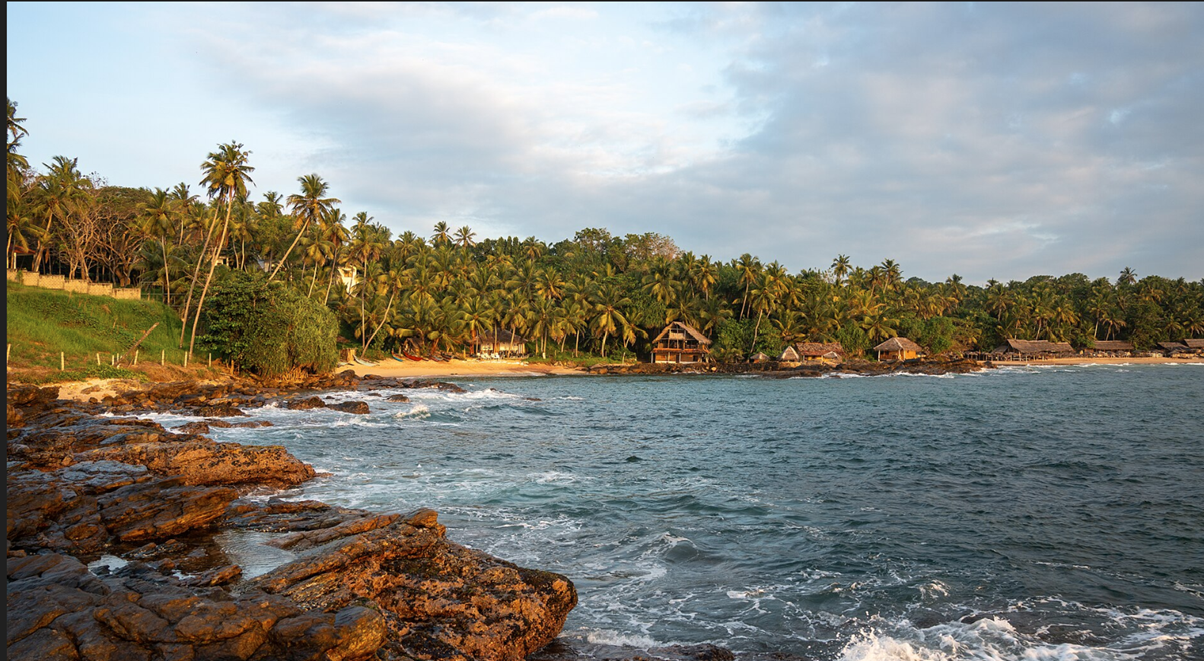
Sri Lanka: Shash Trevett, “Nanthikadal Lagoon”
Since moving to the United Kingdom to escape Sri Lanka’s war, poet and translator, Shash Trevett has won the Northern Writers award and achieved success working with various artists and composers. Here she writes of Nanthikada Lagoon, the site where the war finally ended. Her harrowing and mournful poem beautifully encompasses the collective sorrow and strife of Sri Lanka’s civil war (and anyone mourning the losses of war).
Interested in learning more about South Asian poetry and literature, check out our Literature Online Database Collection.
Image credits provided in order:
1. Lady in Traditional South Asian Dress, by anonymous (CC:00 Library of Congress)
2. Amu Darya, Aghanistan by John Wood, 1872, (CC:01 Library of Congress)
4. Tashichho Dzong, Thimphu, Bhutan provided by Bernard Gagnon CC:04 (Wikipedia)
5. Taj Mahal image provided by anonymous, cc:01 (Library of Congress)
6. Maldives provided by Gzzzz CC:01 (Wikimedia)
7. Pashupatinath Temple provided by Harry Paudyal, cc:04 (Wikimedia)
8. South Asian Man and Wife astride horse, by anonymous cc:01 (Library of Congress)
9. Goyambokka Beach, Tangalle, Sri Lanka by Satdeep Gill, cc:04 (Wikimedia)